Warwick Avenue flats Maida Vale rubbish removal guide
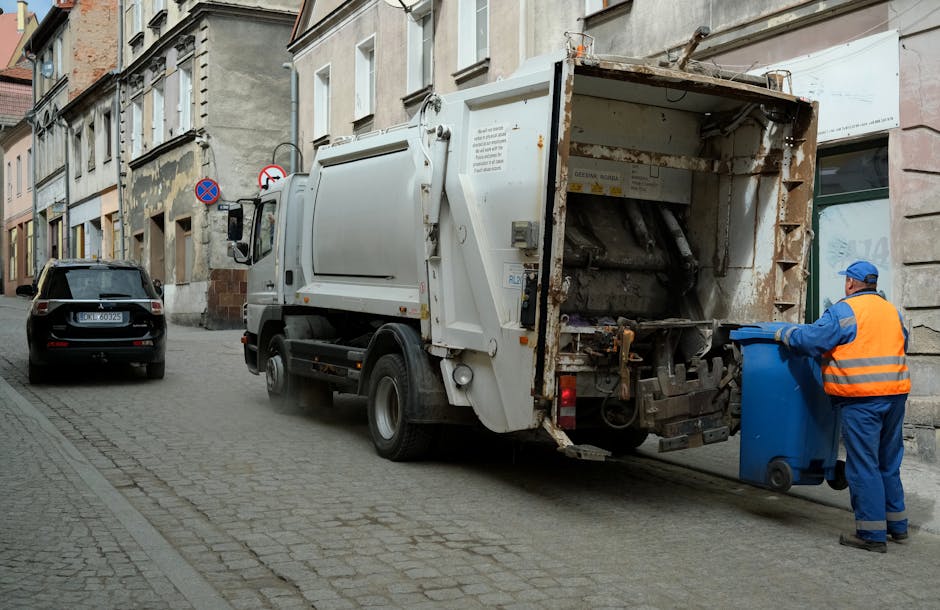
If you live in a Warwick Avenue flat in Maida Vale, rubbish removal can feel more complicated than it should. Narrow communal hallways, limited street space, lift restrictions, permit questions, and neighbours who definitely notice every noisy trip down the stairs - it all adds up. This Warwick Avenue flats Maida Vale rubbish removal guide breaks the process down in plain English so you can clear unwanted items without making a mess of the day, the building, or your patience.
Whether you are emptying a studio, shifting a few bulky items after a refurb, or dealing with a whole flat clearance, the right approach depends on access, waste type, timing, and how much you need gone. To be fair, that is where many people get stuck: they know the flat needs clearing, but not which method is actually the least stressful. Let's sort that out properly.
Why Warwick Avenue flats Maida Vale rubbish removal guide Matters
Warwick Avenue and the wider Maida Vale area have a very specific set of realities. Many flats sit in mansion blocks, converted townhouses, or mansion-style apartment buildings where access is not generous. That changes everything. What looks like a simple rubbish job on paper can quickly become a logistical puzzle once you add stairs, shared entrances, parking pressure, and the simple fact that other residents still need to use the building.
A sensible rubbish removal plan matters because the wrong approach can waste time and increase costs. If you book a large vehicle but cannot park close enough, or if you fill a hallway with bags before a collection and then discover the lift is out of service, the day gets messy very fast. You can almost hear the clock ticking, which is never fun.
This guide matters for another reason too: flats often generate mixed waste. There may be general household rubbish, old furniture, broken white goods, packaging from deliveries, and sometimes renovation debris all in one go. That mix requires a bit of judgement. A one-size-fits-all approach is not usually the best answer.
Expert summary: In apartment buildings, good rubbish removal is less about brute force and more about planning. Measure access, sort waste properly, and choose a collection method that fits the building, not just the pile of rubbish.
How Warwick Avenue flats Maida Vale rubbish removal guide Works
Most flat clearances in this part of London follow one of four broad routes: a booked rubbish removal service, a skip hire arrangement, a wait-and-load collection, or a man and van style clearance. Each has strengths. Each has trade-offs. And yes, the best option depends on your building more than your belongings.
For a typical flat, the process usually starts with a quick assessment of what needs removing. Is it bags of general waste? A sofa and mattress? Builder's rubble? Confidential paperwork? An old fridge that has been humming away in the corner like it has opinions? The waste type matters because different items need different handling.
Next comes access. Can a team carry items down safely? Is there a lift? Are there concierge rules? Can a vehicle stop nearby without causing a problem? On Warwick Avenue, where parking and loading can be tricky, this question is often the deciding factor.
Then comes the clearance method itself. For some flats, rubbish removal is the simplest option because the team loads everything for you. For others, wait and load skip hire works well when street space is limited and the waste can be moved out quickly. If the job involves renovation debris, builders skip hire or construction waste disposal may be more suitable. There is no drama in choosing the practical route. In fact, that is the smart move.
Finally, the waste is sorted for reuse, recycling, or disposal. A responsible provider should separate recyclable material where possible and handle restricted items carefully. If you want to understand what can and cannot go into a skip, it is worth reviewing what can go in a skip before you book anything.
Key Benefits and Practical Advantages
The biggest benefit of proper rubbish removal is simple: it saves you from turning a flat into a temporary storage unit for unwanted stuff. But there are some more specific advantages worth knowing.
- Less disruption inside the building: A well-planned collection reduces the number of trips through shared areas.
- Faster turnaround: You get the space back sooner, which is especially helpful if you are moving out, redecorating, or preparing for guests.
- Better handling of bulky items: Sofas, beds, appliances, and awkward furniture are easier to manage when the removal method is matched to the access.
- Improved safety: Heavy lifting in stairwells is no joke. A good team lowers the risk of damage to walls, doors, floors, and backs.
- More predictable costs: Choosing the right method early avoids those unpleasant "we needed a bigger vehicle" moments.
There is also a quieter benefit that people sometimes forget: peace of mind. When the job is handled cleanly, you do not spend the rest of the week wondering whether the hallway still smells faintly of old carpet or whether a neighbour is quietly judging your timing. Small thing, but it counts.
If your flat is full of mixed waste, a broader clearance service may be better than trying to piece it together yourself. For example, house clearance works well for larger domestic clear-outs, while garage and loft clearance can help when the job has become a long-overdue sort-out rather than a single pickup.
Who This Is For and When It Makes Sense
This guide is for anyone in a Warwick Avenue flat or nearby Maida Vale building who needs rubbish removed without making life harder than necessary. That includes tenants, leaseholders, landlords, letting agents, property managers, and tradespeople working in occupied flats.
It especially makes sense if you are dealing with one of these situations:
- End-of-tenancy clear-outs
- Flat refurbishments or decorating projects
- Bulky item disposal after replacing furniture
- Kitchen or bathroom strip-outs
- Loft, cupboard, or storage room clearances
- Appliance replacements, especially where old units need careful removal
- Office-style clearances from home workspaces in smaller apartments
It also matters if your building has strict rules. A lot of central and inner-west London blocks do. Sometimes it is the porter who sets the schedule. Sometimes it is the managing agent. Sometimes it is simply the layout of the road. The point is not to fight the building. Work with it.
If your waste is mostly furniture or domestic clutter, domestic skip hire may be worth comparing, especially if the property has enough outside access. If you are moving out or clearing multiple rooms, man and van support can also be useful when the load is mixed and needs careful handling.
Step-by-Step Guidance
Here is a practical way to handle rubbish removal from a Warwick Avenue flat without overcomplicating it.
- Walk through the flat and list everything by type. Put general rubbish, furniture, appliances, and building waste into separate groups. It sounds basic, but it helps a lot.
- Check the access points. Measure door widths if you have bulky items. Look at stair turns, lift sizes, loading bays, and where a vehicle could actually stop.
- Identify any restricted items. Things like fridges, mattresses, confidential papers, and certain hazardous materials need extra care. Some items may need specialist handling rather than a standard clear-out.
- Decide whether you need a load-only collection or a container. If the waste can be taken out quickly, a wait-and-load solution may be ideal. If the job is spread over several days, skip hire can be more practical.
- Sort recyclable material where possible. Cardboard, metal, some wood, and certain appliances may be separated. That helps the job run cleaner and can reduce avoidable waste.
- Book the service with a realistic timeline. Try not to leave everything to the last hour. Flats have a funny way of making time disappear.
- Clear the route before collection. Move anything fragile out of the way and protect corners if you can.
- Confirm what happens after removal. A reputable provider should be able to explain the disposal route in simple terms, including recycling where appropriate.
If your job includes old appliances, use a specialist like fridge and appliance removal. If you are replacing soft furnishings, mattress and sofa disposal can save you a lot of awkward lifting. Honestly, sofas have a way of becoming much bigger when they meet a staircase.
Expert Tips for Better Results
A few small choices can make a big difference. The people who get the smoothest result tend to do the boring-looking things well. That is usually the secret.
First, book around the building, not just around your diary. If your block has quiet hours, concierge restrictions, or limited loading windows, work backwards from that. It is much easier than trying to force a collection into the wrong slot.
Second, keep a clear path from flat to street. Even a tidy hallway can become risky if you leave bags beside doorways or stack items too close to fire exits. Safety matters more than squeezing one last box into the route.
Third, separate "good to go" items from "needs checking" items. One old lamp, one leaking bottle of cleaner, one half-open box of cables - these are the little things that slow a job down. Deal with them before the team arrives.
Fourth, think about noise and timing. Early morning collection may be efficient, but it is not always neighbour-friendly. Mid-morning can be a nicer compromise. There is a lot to be said for not starting the day with banging and apologetic smiles.
Fifth, compare method, not just price. The cheapest option is not always cheapest in reality. If one provider needs extra time because access is poor, another method may come out better value overall. You are paying for the fit, not just the vehicle.
If the clearance is tied to a wider building project, you may also want to look at builders waste removal or construction waste clearance rather than treating everything as ordinary household rubbish.
Common Mistakes to Avoid
Most flat clearance headaches come from a handful of predictable mistakes. Avoid these and the job becomes much calmer.
- Leaving everything until the last minute. This usually leads to rushed decisions and awkward access problems.
- Not checking building rules. Some blocks require advance notice, lift protection, or specific loading arrangements.
- Mixing prohibited items with general rubbish. Hazardous or specialist waste should be identified early.
- Choosing a method that does not suit the access. A skip is not always the answer in a tight London street.
- Underestimating how much space bulky furniture takes. A flat pile of rubbish often becomes a much larger volume once it is sorted and loaded.
- Forgetting disposal of appliances or confidential items. These need more thought than a standard bin bag.
One common slip-up is assuming every rubbish job is the same. It is not. A declutter after a tenancy is different from a kitchen rip-out, and both are different again from a loft clear-out. If you treat them all alike, you can end up with the wrong vehicle, the wrong timing, and a rather annoyed afternoon.
If confidentiality is an issue, for instance with old files or paperwork from a home office, confidential shredding is the safer route than throwing documents into general waste.
Tools, Resources and Recommendations
You do not need a lot of fancy equipment, but a few practical tools make flat rubbish removal easier:
- Heavy-duty sacks or rubble bags for loose waste and small mixed items
- Moving blankets or floor protectors to reduce scuffs in hallways and lifts
- Tape and labels for marking items that must stay separate
- A measuring tape for checking furniture and appliance dimensions against access points
- Gloves and basic PPE if you are sorting sharp or dusty materials yourself
- Door props and route protection if repeated trips are involved
In terms of service choices, there are a few useful comparisons to keep in mind. A same day skip hire option can work when speed matters, while enclosed and lockable skip hire is useful where security or windblown litter is a concern. For compact or tightly managed sites, wait and load skip hire often fits better than leaving a skip on the street.
For larger loads that are awkward to move, grab hire services or grab lorry hire may make more sense, especially for projects involving mixed waste or heavier material. And if the job is broader than one flat, site clearance can be the better umbrella service.
For pricing and budgeting, it is sensible to review skip sizes and prices and pricing and quotes before deciding. That at least gives you a clearer picture of the options, even if your final choice ends up being the non-skip route.
Law, Compliance, Standards, or Best Practice
Rubbish removal in London is not just a matter of convenience. There are legal and practical responsibilities around waste handling, especially when items leave a flat and enter the disposal chain. You do not need to become a waste-law expert, but you do need to use a properly managed service and avoid fly-tipping risks.
As a general rule, waste should be transferred to a legitimate operator who can manage, transport, and dispose of it responsibly. For flats, that means keeping good records where needed, separating restricted items, and avoiding the temptation to hand waste to the cheapest mystery van that appears after dark. That way lies trouble, and nobody wants that.
Best practice also includes protecting communal areas. Hallways, lifts, lobbies, and stairwells should be kept safe and unobstructed. If a building has a managing agent or concierge, it is wise to notify them before the collection. A little communication saves a lot of grumbling.
For items that may create safety or environmental concerns, use the appropriate service rather than mixing them into the general load. If you are unsure about a particular item, check the guidance around hazardous waste disposal or speak with the provider before collection day.
It is also sensible to choose providers that are transparent about handling, recycling, and operational safety. Pages like recycling and sustainability, health and safety policy, insurance and safety, and payment and security help build confidence in the service model.
Options, Methods, or Comparison Table
Here is a straightforward comparison of the most common approaches for Warwick Avenue flats and nearby Maida Vale properties.
| Method | Best for | Strengths | Things to watch |
|---|---|---|---|
| Rubbish removal | General flat clear-outs, bulky items, mixed domestic waste | Hands-off, quick, ideal when you want items taken from inside the flat | Needs clear access and a sensible booking window |
| Wait and load | Short, focused clearances in restricted parking areas | No skip left outside, useful in busy streets | Best when the load is ready to go immediately |
| Skip hire | Projects with enough space and ongoing waste generation | Handy for DIY and longer jobs | May need permits or careful placement planning |
| Man and van | Single-room clearances, moves, declutters | Flexible and useful for mixed items | Less ideal for heavy building waste |
| Grab lorry / grab hire | Bulkier loads and heavier material | Efficient for substantial waste volumes | Access and loading space still matter |
For a lot of flats, the choice comes down to one question: do you need the waste removed from inside the property, or can it be staged for quick collection outside? That one answer often clears up the rest.
And yes, if you have a large furniture-only job, a specialist route like mattress and sofa disposal or house clearance may beat trying to piece together several smaller services.
Case Study or Real-World Example
Here is a realistic example. A resident in a Warwick Avenue mansion block needs to clear a one-bedroom flat after a move. The waste includes two wardrobes, a bed base, a mattress, a broken desk, several bags of clothes, packaging from new furniture, and an old under-counter fridge.
If the resident tried to do it all in one go with random disposal methods, the job would probably turn into a weekend of small disasters. Instead, the better plan is to sort the items into categories first. Furniture and general clutter go into the main removal load. The fridge is separated for specialist handling. The mattress is listed clearly so it does not become an awkward last-minute surprise. Packaging is flattened to save space.
Because the building has limited parking, the resident chooses a collection method that suits short access rather than leaving a container in place. The route from flat to street is cleared in advance, the lift is booked if available, and the building manager is informed. The result is usually a calmer collection, less friction with neighbours, and no random dash down the stairwell carrying a wardrobe panel at an odd angle. We have all seen enough of those.
In a slightly larger refurbishment scenario, the same block might need a combination of builders waste removal and construction waste disposal rather than domestic clearance alone. The principle is the same: match the service to the waste and the building, not the other way around.
Practical Checklist
Use this quick checklist before you book rubbish removal from a Warwick Avenue flat:
- List every item that needs removing
- Separate general waste, furniture, appliances, and building debris
- Check lift, stair, and doorway access
- Confirm any building rules or time restrictions
- Identify hazardous, confidential, or specialist items
- Measure large items if access is tight
- Decide whether you need load-only removal, skip hire, or a mixed method
- Clear the route inside the flat and communal areas
- Protect floors and corners if repeated trips are likely
- Ask how recyclable material will be handled
- Check timing so the collection does not clash with neighbours or concierge hours
- Keep your booking details, costs, and instructions in one place
Quick takeaway: The better prepared the flat is, the smoother the removal. Simple as that. A tidy route and a sorted pile beat panic every time.
Get a free quote today and see how much you can save.
Conclusion
Warwick Avenue flat clearances are rarely difficult because of the rubbish itself. They become difficult when access, timing, waste type, and building rules are ignored. Once you plan around those realities, the whole process becomes much easier to manage.
If you are dealing with a small declutter, a bulky furniture removal, or a larger flat clearance, the smart move is to choose a method that suits the property rather than forcing the property to suit the method. That bit of judgement saves time, reduces hassle, and usually makes the final bill easier to live with too.
And if you are still unsure, that is completely normal. Flats in this part of London can be a bit of a puzzle. But a good plan, a clear route, and the right service choice make all the difference. One step at a time. It gets easier.
Frequently Asked Questions
What is the best rubbish removal option for a Warwick Avenue flat?
It depends on access, waste type, and how quickly you need everything gone. For many flats, a hands-off rubbish removal service or wait and load arrangement is the most practical choice.
Can I use skip hire for a flat in Maida Vale?
Sometimes, yes. If there is suitable outside space and any required permissions are sorted, skip hire can work well. But in many flat blocks, access and parking make other methods easier.
Do I need a permit for rubbish removal?
You usually do not need a permit for a collection from inside a flat, but a skip placed on public land or a road may need permission. Always check the arrangement before booking.
What items should not go with general household waste?
Hazardous materials, certain electrical items, fridges, and confidential paperwork may need specialist handling. If in doubt, ask before the collection day rather than guessing.
How do I prepare a flat for rubbish removal?
Sort items by type, clear walkways, measure bulky pieces, and check building rules. A little preparation goes a long way, especially in a building with narrow halls or a busy lift.
Is wait and load better than skip hire for Warwick Avenue streets?
Often it is. If parking is tight and the waste can be loaded quickly, wait and load can be much more convenient than leaving a skip outside.
What happens to the rubbish after collection?
It should be taken to a licensed facility or processing route where items are sorted for disposal or recycling. Responsible handling matters, especially when waste is mixed.
Can you remove old sofas and mattresses from a flat?
Yes, and it is often easier to book a dedicated furniture disposal service. That is particularly helpful if stairs or lift access are awkward.
How much notice should I give before booking?
As much as possible, especially if your building has access rules or limited loading windows. Even a short lead time can help, but more notice gives you more options.
What is the difference between domestic and builders waste removal?
Domestic waste removal covers household clutter, furniture, and general flat contents. Builders waste removal is for renovation or construction debris like rubble, plaster, and broken materials.
Can I mix furniture and renovation waste in one collection?
Sometimes yes, but it depends on the provider and the nature of the load. Mixed waste should be discussed in advance because it may affect the method and price.
Is it worth sorting recyclable items before collection?
Yes. It can make the process cleaner and more efficient, and it gives the waste handler a better chance to route items properly. Simple sorting is one of the easiest wins.
What if my flat has no lift?
Then access planning becomes even more important. Choose a removal method that accounts for stair carrying, weight, and the number of trips needed. For heavy items, specialist help is usually worth it.
Where can I learn more about the company and its policies?
You can review the company's about us page, along with helpful pages such as recycling and sustainability and terms and conditions to better understand how services are handled.